
This article was published on LinkedIn January 22, 2026
DMO leaders are under more pressure than ever to prove that seasonality is not a liability for their destination, but rather a lever for brand, community, and economic resilience. Coraggio Group partners with tourism organizations across the county to turn, “how do we get people outside in January and February?!” into clear, actionable strategies that align your board, staff, stakeholders, and residents around a shared approach to seasonality.
Whether winter may be your downtime or your busy season, everyone's destination struggles with season visitor influxes or downtimes. Some can view this as a disadvantage since the uneven visitation can cause infrastructure stress or hardship on tourism-dependent businesses. There can also be some advantages, however, where residents feel like they can prepare for the highs and lows of visitations, with some businesses even shut down or take a break during off-season. Regardless of your destination’s relationship to winter months, or any other season, there is always strategy to inform how you handle the highs and lows of your destination.
So how can a destination turn seasonality into a strategy that works for the tourism industry, visitors, and locals alike?
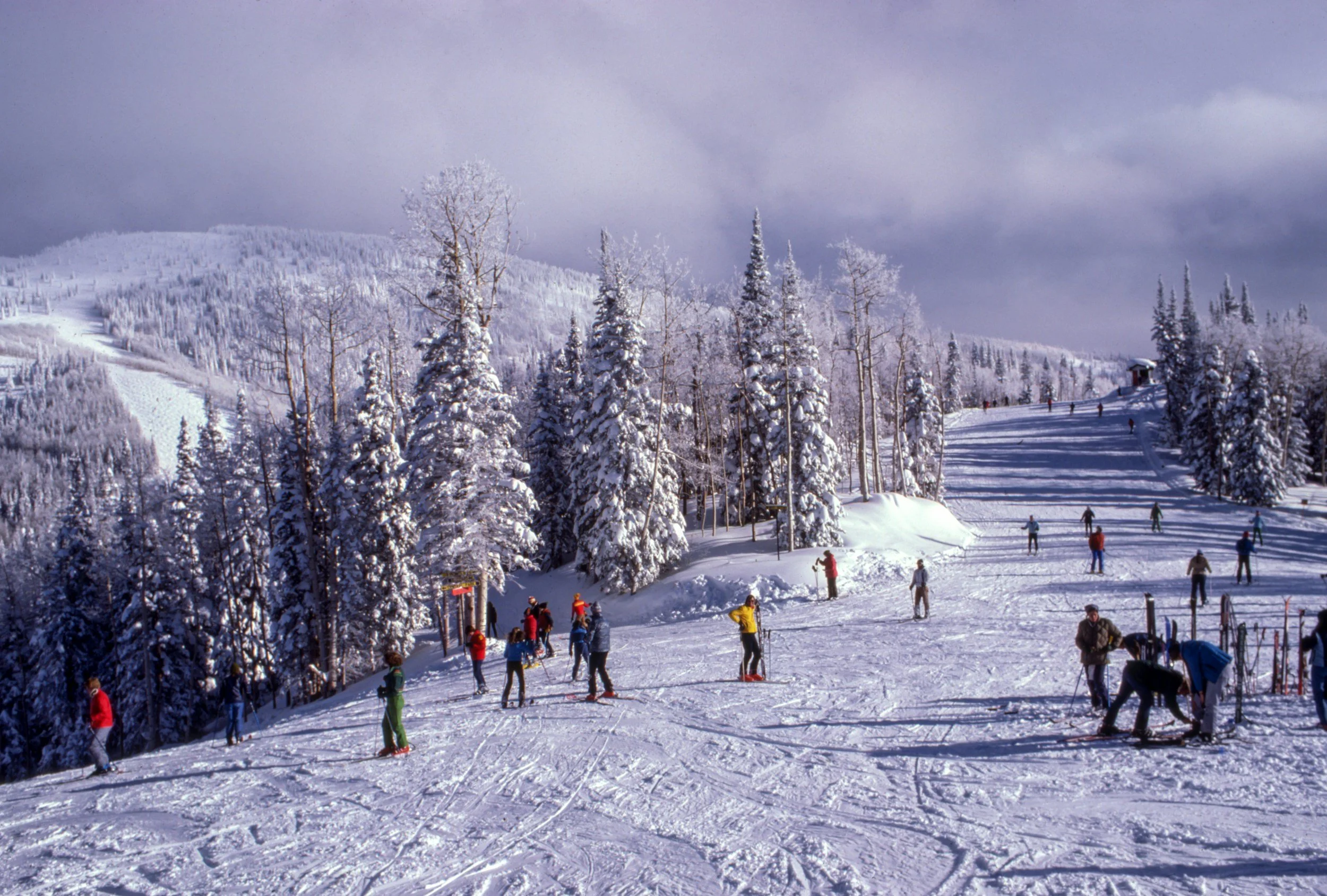
Photo by @lesanderson
Name winter’s role in your strategy:
Is winter the hero season? Or the one you can’t wait to be over? Determine what the strengths and weaknesses are of winter in your destination and how that may play with your target audiences. Identify your key differentiator amongst your competitor destinations and embed that into your brand and positioning work.
Uplift visitors, residents, and your community environments:
Create winter events that will inspire both locals and visitors to go outside! Use your environment to your advantage, whether hosting outdoor events, downtown walks, or interesting recreational activities like moonlit snowshoeing or curling classes. As with any promotion of your community’s environments, ensure that you are balancing your tourism development in sync with carrying capacities of the community and the natural environments in your destination.
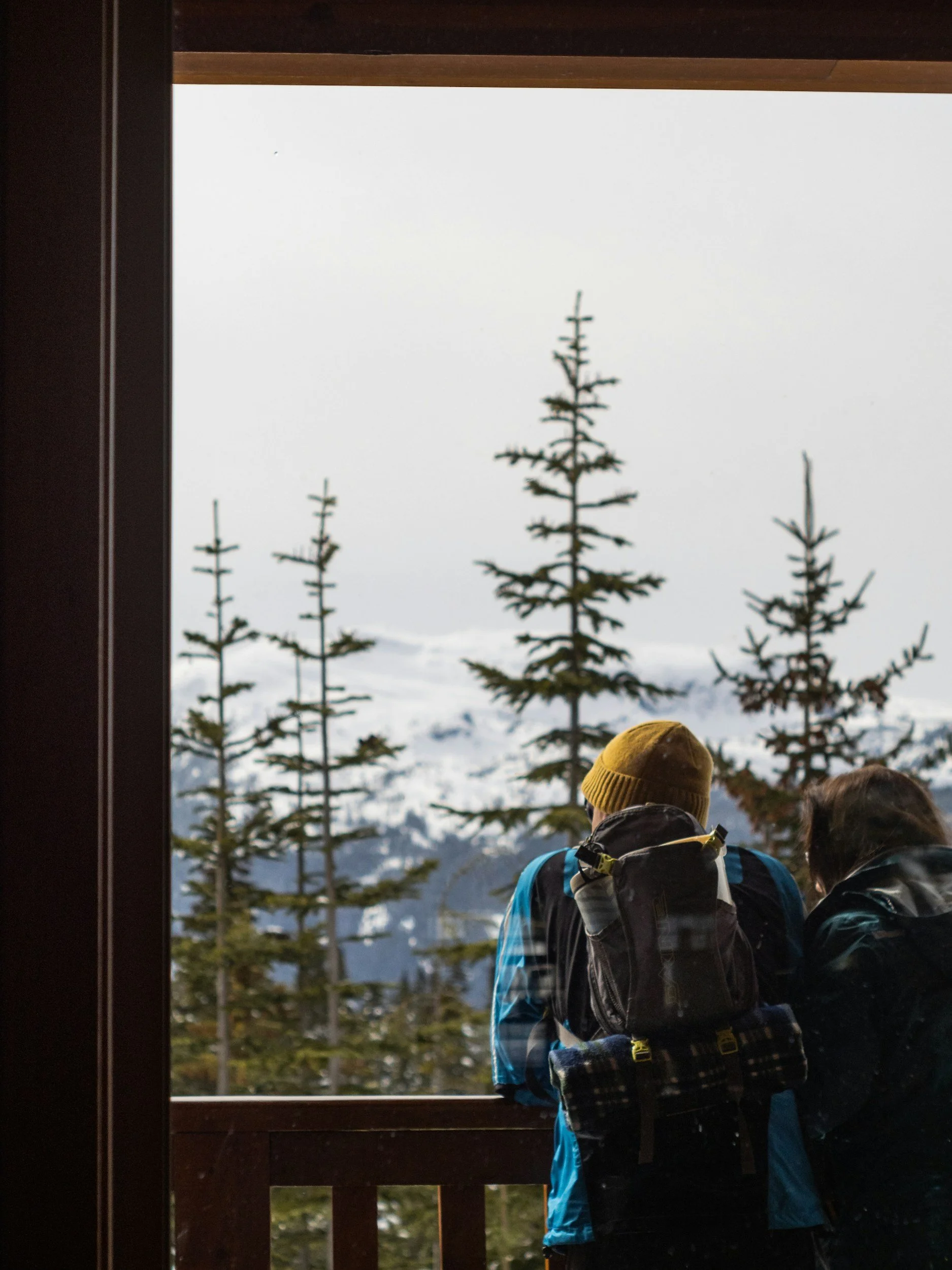
Photo by @greg_rosenke
Plan by season, not just annually:
Build a seasonal portfolio in your marketing and strategic plans, so each season has clear objectives, anchor products/experiences, and target audiences. Do not treat winter as a generic ‘off-peak’ travel. Mid-week visitation and winter visitation are both needed, and both need different initiatives to happen!
Incorporate a seasonal review cycle:
After each winter, or season, conduct a debrief: What worked (event attendance, main street activity, overnight stays)? What strained systems (snow removal, parking, staff)? Then integrate these insights into budget, planning, and product development for next year.
Here are examples of some destinations that have successfully activated their winter tourism:
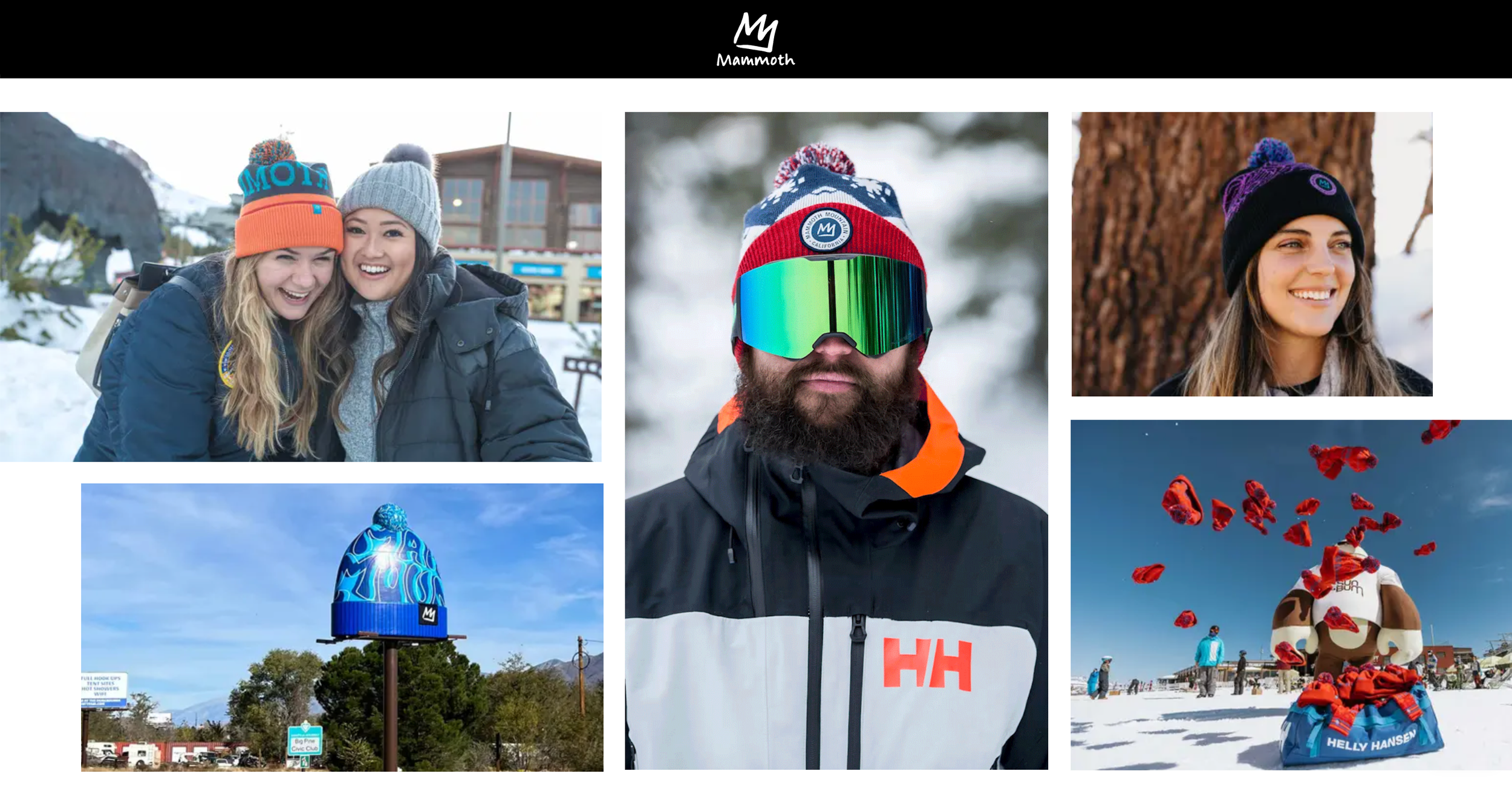
Mammoth Lakes, CA- Beanie Campaign:
Mammoth Lakes, a strong winter destination due to their ski resort, has turned a piece of practical winter gear into a beloved fashion statement that is a must-have for visitors in its annual beanie campaign. Each year, a limited-edition Mammoth beanie is chosen through community design contests and social media which creates anticipation, drives on-mountain and in-town sales, and gives visitors a tangible symbol of ‘being in the know’ that encourages repeat winter trips. The beanie is also advertised on a large billboard on Highway 395 to generate buzz and anticipation for visitors from Southern California driving to the Eastern Sierra.
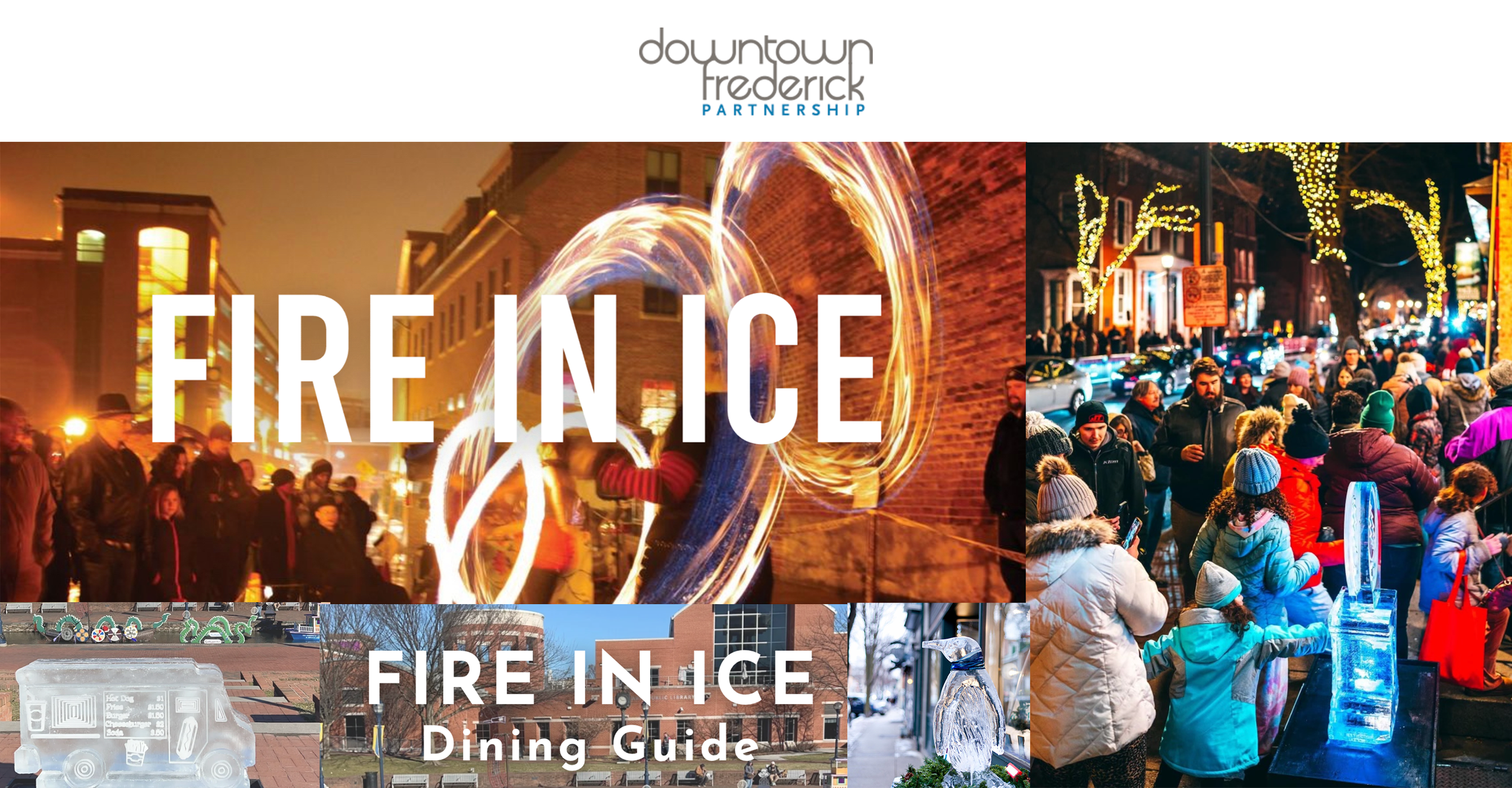
Frederick, MD- Fire in Ice Event:
Frederick embraces the darkness and chill of winter by illuminating Downtown Frederick with a Fire in Ice themed event that pairs ice sculptures and winter décor with fire features. This activates the town and draws visitors into the historic downtown during a slower time of year, boosts retail and dining revenue, and reframes winter as a magical and social season. While Downtown Frederick Partnership is the primary event host, Visit Frederick supports the efforts through not only marketing and sponsorship, but also providing additional public transportation for the event to ease traffic and downtown parking capacity.
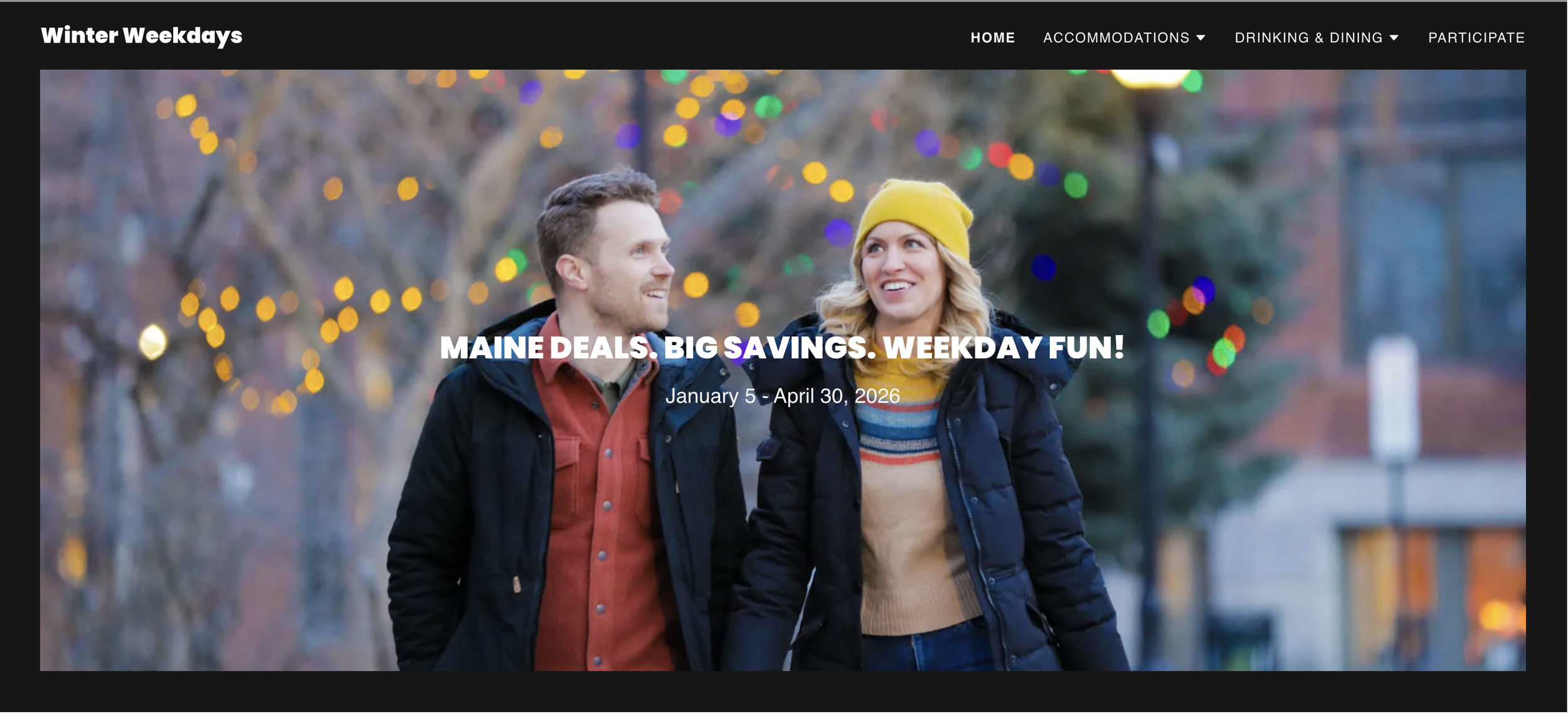
Portland, ME- Winter Weekdays:
Portland leverages its strong culinary reputation by anchoring with Winter Weekdays program from January to April, offering special menus and price points as well as lodging discounts that invite both locals and visitors to explore new spots or return to favorites. By turning a slower time of year into a citywide promotion, the event supports the hospitality industry's bottom lines, encourages midweek and low-season visits, and uses food and lodging as a low-weather-dependent driver of winter tourism.

Niwot, CO- Wine About Winter Event
Niwot’s Wine About Winter transforms a cold evening into a community-oriented downtown stroll, with participants moving between shops and businesses which serve as tasting stations for wine, beer, and small bites. The event livens up Main Street in the heart of winter, introduces visitors to locally owned businesses, and demonstrates how a small town can use a single, well-designed activation to strengthen both winter tourism and resident pride.
Integrating seasonality into destination strategy is where Coraggio excels. We facilitate tough but energizing conversations about the impacts of seasonality to your destination and designing personalized plan and roadmaps—never one-size-fits-all. Winter doesn’t have to happen to you, but it can happen for you.
If your destination is ready to move from ‘surviving’ winter (or another season) to using it as a strategic differentiator, contact our team to explore how a tailored strategy engagement or facilitated planning work can support your organization and destination. We can help you clarify seasonality’s role in your brand, design and season-by-season plan, and build the internal alignment needed to make your winter season (or any other non-peak season) better for visitors, businesses, and residents alike.